

Views: 0 Author: Site Editor Publish Time: 2026-05-05 Origin: Site

If you want the best supplement for heart and immune health, fish oil usually offers more omega-3s, while cod liver oil gives you vitamins A and D. You may see lower blood pressure and better heart health with omega-3s. Cod liver oil may also help protect your eyes and boost your vitamin D levels. Some people get stomach issues with these oils, and fish oil can trigger allergies. You can check the quick comparison table below to see which option fits your needs.
Fish oil has more omega-3 fatty acids. These help your heart and brain stay healthy. Cod liver oil has lots of vitamins A and D. These vitamins help your immune system and bones. Pick good quality supplements to stay safe and get the most benefits. Talk to your doctor before you start any new supplement. This is very important if you have health problems. Think about what your body needs when you choose between cod liver oil and fish oil.
The table below shows how cod liver oil and fish oil are different. This makes it easier to see what each one gives you.
Nutritional Aspect | Cod Liver Oil | Fish Oil |
|---|---|---|
Source | Livers of codfish | Flesh of various fatty fish |
Omega-3 Fatty Acids | High levels of EPA and DHA | Primarily EPA and DHA |
Additional Vitamins | Contains vitamins A and D | Generally lacks these vitamins |
Anti-inflammatory Properties | Believed to have powerful properties | Less emphasis on anti-inflammatory effects |
Cod liver oil has vitamins A and D. These vitamins help your immune system and bones. Fish oil has more omega-3. Omega-3 is good for your heart and brain. Both oils have EPA and DHA. These are the main omega-3 fatty acids. You can also get omega-3 from krill oil and algae oil. If you do not like capsules, you can try liquid fish oils.
Omega-3 gives you many good things. Fish oil helps your heart and lowers swelling. Cod liver oil is good for your eyes and vitamin D. Omega-3 from krill oil may help your cholesterol and joints. Algae oil is a plant-based omega-3. It is good for people who do not eat animal products.
Taking fish oil often might raise the risk of atrial fibrillation and stroke for most people. But it could help people with heart problems from getting worse or dying. Scientists need to do more studies to learn how fish oil affects heart disease and strokes.
Here are some risks and tips for cod liver oil:
Some people say it helps dry eyes, but there is a small chance of infection if you do not use it right.
Always pick high-quality cod liver oil to stay safe.
The triglyceride form is better than the ethyl ester form.
Omega-3 fish oil, krill oil, and cod liver oil all help in different ways. You should choose the one that fits your health needs. Omega-3s are important for your body to stay healthy.
You might wonder how cod liver oil and fish oil compare when it comes to omega-3 and vitamins. Both give you important omega-3, but the amount and extra nutrients are not the same. Take a look at this table to see the main differences:
Type of Oil | Source | Omega-3 Content |
|---|---|---|
Cod Liver Oil | Liver of codfish | Lower dose of omega-3s |
Fish Oil | Flesh of fattier fish | Higher concentrations of EPA and DHA |
Fish oil gives you more omega-3, especially EPA and DHA. These are the main omega-3 fatty acids that help your heart, brain, and joints. Cod liver oil has less omega-3, but it gives you something extra. You get a big boost of vitamins A and D from cod liver oil. Here is what you get in just one teaspoon:
Cod liver oil is a rich source of vitamin A, providing 150% of the daily value per teaspoon.
It also contains 56% of the daily value for vitamin D per teaspoon.
Regular fish oil does not contain these vitamins in the same concentrations as cod liver oil.
If you want more omega-3, fish oil or krill oil may be better for you. Krill oil also gives you EPA and DHA, and some people find it easier to digest. Algae oil is another option if you do not eat fish. It gives you omega-3 without animal products.
You should know that omega-3 fish oil, krill oil, and cod liver oil all help your body in different ways. Omega-3s support your heart, brain, and eyes. Cod liver oil stands out if you need more vitamins A and D.
You get cod liver oil from the livers of cod fish. These livers have lots of omega-3 and vitamins A and D. Fish oil comes from the flesh of fatty fish like salmon, sardines, and mackerel. Krill oil comes from tiny sea creatures called krill. Algae oil comes from plants in the ocean.
Purity matters when you pick a supplement. Cod liver oil sometimes gets mixed with cheaper oils like sunflower or canola oil. This can lower the quality. Scientists use special tools like nuclear magnetic resonance and infrared spectroscopy to check for these mixes. These tests help make sure you get pure cod liver oil.
Fish oil and krill oil can have impurities from the ocean, like heavy metals or chemicals. Makers use molecular distillation to clean the oil. This process removes things like mercury and dioxins. Nitrogen flushing keeps the oil fresh and stops it from going bad. Using low heat during distillation protects the omega-3 and keeps it safe for you.
"Twinlabs fish oil products are all molecularly distilled and quality tested for purity. These processes are especially effective for reducing impurities such as PCBs found in oceans, lakes, rivers and streams and common to fish and fish-based products."
When you choose omega-3 fish oil, krill oil, or cod liver oil, always look for brands that test for purity. This helps you avoid harmful substances and get the most health benefits. You can trust high-quality supplements to give you the omega-3 you need without extra risks.

You can help your heart by adding omega-3 to your diet. Omega-3 fish oil, krill oil, and cod liver oil all support heart health in different ways. Many studies show that omega-3 can lower your risk of heart problems, especially if you have type 2 diabetes. Here are some important findings:
A 2022 review found that omega-3s may improve heart risk factors in people with diabetes.
A 2023 study suggested omega-3s could help prevent heart disease in diabetic patients.
People who took cod liver oil had a lower risk of heart conditions than those who did not.
Some people at risk for heart attacks who took cod liver oil had fewer heart attacks, but this was not always a big difference.
Some studies say omega-3 fish oil can lower the chance of heart attacks and deaths from heart disease. Other studies show mixed results, so the benefits may depend on the type of omega-3 and your own health. Some people may have a higher risk of atrial fibrillation if they take high doses. You should talk to your doctor before starting any new supplement.
Omega-3 fish oil and krill oil can help your brain work better, especially if you have mild memory problems. Some research shows that omega-3 can help with depression, working almost like medicine. If you already have a healthy brain or Alzheimer’s disease, omega-3 may not make a big difference.
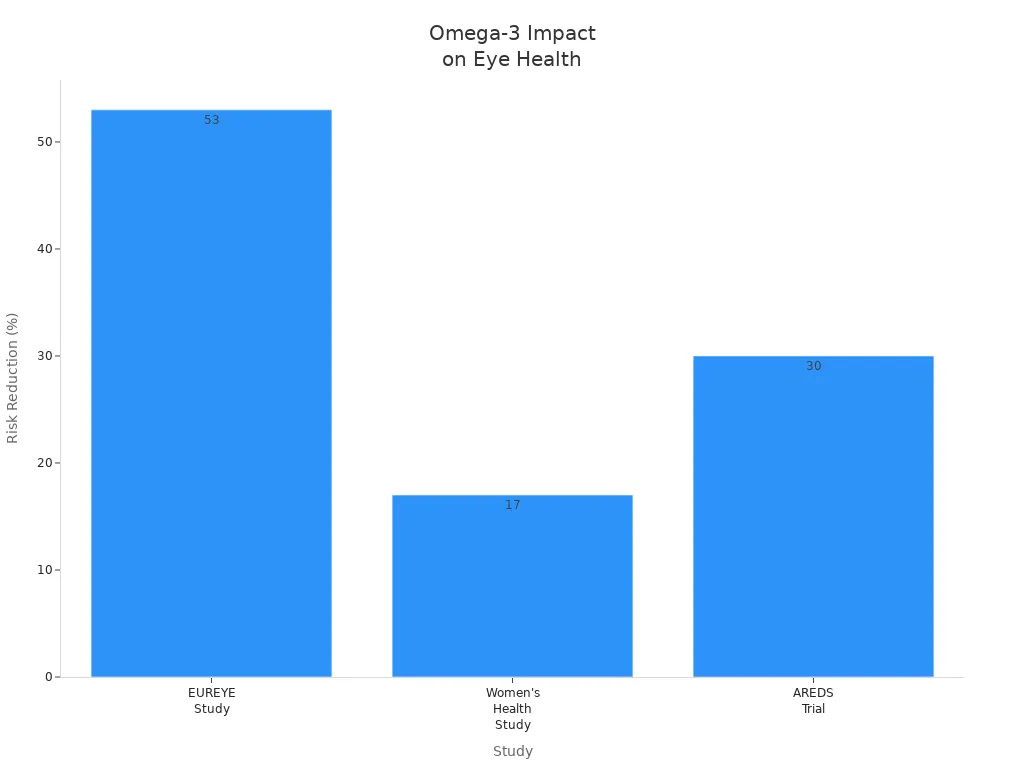
Omega-3 also helps your eyes and supports healthy vision. Studies show that people who eat more fatty fish or take omega-3 have a lower risk of eye diseases. The table below shows how omega-3 can help your eyes:
Study Type | Findings | Risk Reduction |
|---|---|---|
EUREYE Study | Eating fatty fish weekly | 53% lower risk of neovascular AMD |
Women's Health Study | High omega-3 intake | 17% lower risk of dry eye disease |
AREDS Clinical Trial | High omega-3 intake | 30% less likely to get advanced AMD |
You can also use krill oil or algae oil if you do not want fish oil. These options give you omega-3 and help support immune health and healthy vision.
Omega-3 fish oil, krill oil, and cod liver oil can help your joints feel better. They may lower swelling and pain if you have arthritis. Here are some results from studies:
Study Year | Findings | Details |
|---|---|---|
2012 | Modest improvement in RA | EPA and DHA from marine sources helped reduce joint swelling and pain. |
2016 | Reduced pain medication use | People with active RA used less pain medicine after taking omega-3. |
2015 | Promising animal studies for OA | Animal studies show benefits, but more human studies are needed. |
2 years | Improvement in pain and function | Fish oil helped with pain and movement after 2 years, even at low doses. |
A study from Cardiff University found that cod liver oil slowed down joint damage in people with osteoarthritis. Most people in the study had less cartilage damage when they took cod liver oil. You can use krill oil or omega-3 fish oil to help your joints and support a healthy immune response.
Omega-3 gives you many health benefits. It helps your heart, brain, eyes, and joints. You can choose fish oil, krill oil, cod liver oil, or algae oil to get these benefits and support your immune system.
It is important to learn about vitamin toxicity before picking a supplement. Cod liver oil has a lot of vitamins A and D. If you take too much, you could get vitamin A toxicity. This can change your skin, hair, or vision. You might also have problems with your bones or even seizures. Sometimes, people get headaches, dry skin, or feel tired and weak. Taking too much for a long time can make your bones break more easily. Too much vitamin A can hurt your liver, especially if you do not need more of it.
Fish oil does not have a lot of vitamins A and D. This means the risk of vitamin toxicity is lower. Krill oil and algae oil also have small amounts of these vitamins. You should always follow the directions on the label. Ask your doctor if you are not sure how much to take.
Tip: Never take more cod liver oil than the label says. This will help you stay safe and avoid health problems.
Some people should not use certain omega-3 supplements. The table below shows who should not use cod liver oil or fish oil and why.
Population/Risk Group | Reason for Avoidance |
|---|---|
Individuals with high vitamin A and D levels | Risk of toxicity due to fat-soluble vitamins accumulating in the body |
People on blood thinners | Cod liver oil can affect blood clotting, increasing bleeding risk |
Pregnant individuals | Potential risks from vitamin toxicity and blood thinning effects |
You might get side effects from these supplements. Diarrhea is common, especially if you take a lot. Some people get headaches or stomach pain. Cod liver oil can cause burping, nosebleeds, or heartburn. Fish oil may give you a fishy taste or loose stool. Krill oil can cause stomach problems or a rash. If you take medicine for blood pressure or blood clots, talk to your doctor first.
Krill oil and algae oil are good choices if you want omega-3s but do not want to worry about vitamin toxicity. Always pick high-quality products and use them the right way.
You want a supplement that supports your body every day. Nutrition experts suggest you look for products that meet these important criteria:
Criteria | Description |
|---|---|
Third-party testing | Shows the supplement is safe and pure. |
Dose | Aim for about 450 mg of EPA and DHA per serving. |
Capsules vs. liquid oils | Pick the form that is easiest for you to take and absorb. |
Pill size | Choose a size you can swallow easily, or try a liquid if pills are hard for you. |
Fish oil usually gives you more omega-3 per serving than cod liver oil. If you want to meet your daily omega-3 needs without extra vitamins, fish oil or krill oil may work best. Algae oil is a good choice if you do not eat fish.
You may have special health goals. The right supplement depends on what you need most.
Health Condition | Recommended Dosage (mg) |
|---|---|
Coronary Heart Disease | 1,000 mg of EPA and DHA |
High Triglycerides | 200–2,200 mg |
Depression and Anxiety | 200–2,200 mg |
Pregnancy/Breastfeeding | 200 mg of DHA |
If you need more vitamin D or want to support your immune system, cod liver oil can help. It has high levels of vitamins A and D. Fish oil focuses on heart health and gives you more omega-3. Krill oil and algae oil also support your heart and brain.
Pick supplements from trusted brands that use molecular distillation and test for purity.
Look for products with a USP seal or third-party testing.
Choose oils that are free from mercury and other toxins.
Check the expiration date for freshness.
Scan the QR code on the bottle to see test results.
Avoid supplements with a strong fishy smell or taste.
Tip: Sustainable sourcing helps protect ocean life. Choose krill oil or fish oil from companies that care about the environment.
You can get the most health benefits by choosing the right supplement for your needs and checking for quality.
If you need more vitamins A and D, cod liver oil is a good choice. It helps your bones and is helpful if you do not get much sun. Fish oil is better for your heart and helps lower swelling.
Cod liver oil has more vitamins A and D.
Fish oil gives you more omega-3 fatty acids.
Scenario | Best Choice |
|---|---|
General health | Fish oil |
Vitamin deficiencies | Cod liver oil |
Think about what you want for your health. You should talk to your doctor before you start any new supplement.
You can take both, but you should check with your doctor first. Taking both may give you too much vitamin A or omega-3. Always follow the label instructions.
You may notice benefits in 2 to 3 weeks. Some people see changes in heart health or joint comfort after a month. Results can vary for each person.
Cod liver oil can be safe for kids in small doses. You should ask your child’s doctor before giving any supplement. Too much vitamin A can be harmful.
You can take fish oil with a meal. This helps your body absorb it better. Many people take it with breakfast or lunch.


