Views: 0 Author: Site Editor Publish Time: 2026-07-02 Origin: Site
You want to start an herbal supplement business, but you do not know where to start. The herbal products business is growing fast. The market is worth over $42 billion in 2024. It may double by 2033. There is a lot of competition. Trends change often. There are many rules in the dietary supplement business. To do well, you need to know your customers. You must follow the rules. You should protect your brand. When you start an herbal business, you join a fast-growing industry. This industry rewards good planning and following the rules.
Find your niche and who you want to sell to. Make herbal products that are special and help your customers.
Pick a business model that fits what you want. You can sell straight to people, sell in bulk, or do both.
Follow the laws and get insurance to keep your business safe. Make sure your products are safe for people to use.
Create a strong brand and use good marketing to reach customers. This will help your business grow.
Keep learning about what is popular and what customers like. Add new products and stay competitive in the market.
You want your herbal supplement business to be special. Picking your herbal focus is the first step. The health market has many choices. Some niches make more money than others. Many people want products for immunity, digestion, weight, or mental wellness. These areas are popular because people like natural solutions. They also want to stay healthy before problems start. You can find chances in products with pure ingredients. People pay more for supplements that feel fancy. They also like products linked to old traditions.
Tip: Use Google Trends or social media to see which herbs are popular. This helps you find products that may become common instead of fading away.
If you get ingredients from places like India, you may pay less. Herbs are easy to find there. This helps you offer good prices and earn more money. Make a list of top brands in your niche. Look at their ingredients. Find herbs that other brands do not use. This lets you fill gaps in the market.
You need to know who will buy your supplements. Start by doing market research. You can use online surveys, focus groups, or interviews. Social media and competitor reviews help you learn what customers want.
Here’s a simple table to organize your research:
Factor | What to Look For |
|---|---|
Demographics | Age, gender, income, location |
Psychographics | Lifestyle, values, health goals |
Pain Points | Health challenges, unmet needs |
Current Solutions | Products they use, dissatisfaction |
Info Sources | Where they get health info |
You want to know their lifestyle, values, and health goals. Find out what problems they have and what solutions they use now. If you know their pain points, you can make supplements that help real issues. Stay flexible and follow new trends. Go to industry events or use market tools to keep up with changes.
You have to pick how you want to sell. Direct-to-consumer means you sell right to your customers. You get to set your own prices. You also control how people see your brand. You can use your website or social media to sell. Online marketplaces are another way to reach buyers. DTC helps you talk to customers and hear what they think. You can make special deals or sell bundles.
Wholesale is different. You sell your products to stores or clinics. These places sell your supplements to their own customers. Wholesale helps you reach more people. You might get bigger orders from stores. But you make less money for each item. You do not control how the customer buys your product. You must follow the rules of the stores or clinics.
Here’s a quick comparison:
Model | Pros | Cons |
|---|---|---|
Direct-to-Consumer | Higher margins, control | More marketing needed |
Wholesale | Larger orders, wider reach | Lower margins, less control |
Tip: You can use both ways to sell. This helps your business grow in more ways.
You also need to pick where you want to sell. Online stores let you sell to people everywhere. You can use your own website or Amazon. Retail means you sell in real stores. You can meet customers in person and build trust.
Hybrid models mix online and retail. You can let people order online and get delivery. You can also sell in stores. Many herbal supplement businesses use hybrid models. This helps you compete with other sellers. Customers get more choices. Hybrid models help you keep your prices close to others. You can make money and grow faster.
The herbal supplement business is changing. More people want natural products. They do not like regular medicine as much. Hybrid models help you give people what they want. Companies that use hybrid ways can make more money. They can also sell more products. You can change your prices and stay ahead.
Note: Hybrid models give you more choices. You can reach more people and keep up with trends.
When you start thinking about starting your own supplement line, you need to decide what products you want to offer. You can look at what is popular in the market. Some people want herbal supplements for immunity, while others look for products that help with sleep or stress. You should check what your competitors sell and see if you can offer something different. Try to find herbs or blends that are not common. This helps your brand stand out.
Here are some steps to help you shape your product line:
Do detailed market research to see what customers want.
Focus on a niche, like herbal teas or capsules for energy.
Make sure your products use high-quality ingredients.
Plan for clear and honest labeling.
Think about how your products can solve real problems for your customers.
Tip: Always keep an eye on new trends. If you notice a new herb getting popular, you can add it to your line before others do.
You need a plan to keep your herbal supplement business on track. Start by writing down your mission and vision. What do you want your business to achieve? Set short-term goals, like launching your first three products, and long-term goals, like reaching a certain number of customers.
Here’s a simple way to organize your goals and operations:
Write your mission and vision.
Set clear goals for sales and growth.
Make a roadmap for product launches and marketing.
Stay flexible so you can adjust when trends change.
Track your progress with easy-to-measure numbers.
When starting your own supplement line, focus on building trust. Use clear labels and get certifications if you can. Listen to customer feedback and improve your products. Work with reliable suppliers to avoid delays or quality problems. Good planning helps you avoid mistakes and keeps your business growing.
When you start your herbal supplement business, you must follow rules. These rules keep your products safe. They also protect your business. Let’s look at what you need to know about rules and insurance.
If you sell herbal supplements in the United States, you must follow FDA rules. The FDA checks if your products are safe. They also check if your labels are correct. You must tell the FDA about new dietary ingredients 75 days before selling. This helps the FDA make sure your supplements are safe.
Your product labels need certain information. Here is what the FDA wants:
Regulation Type | Description |
|---|---|
Statement of Identity | Say your product is a 'Dietary Supplement.' |
Net Quantity of Contents | List how many capsules, tablets, or the net weight or volume. |
Supplement Facts Panel | Show serving size, dietary ingredients, amount per serving, and % Daily Value if there is one. |
Ingredient List | List all active and inactive ingredients. |
Name and Place of Business | Include your business name, address, and a contact for reporting problems. |
Warning Statements | Add warnings if your product has risky ingredients or needs special care. |
Structure/Function Claim Disclaimer | Use a disclaimer if you make claims about how your supplement works in the body. |
Good Manufacturing Practices (CGMP) | Follow strict rules for making, labeling, and packaging your products. |
You must also follow state and local rules. Some states want extra warnings or special licenses. Check with your local health department or business office. They will tell you what paperwork you need. If you sell in other states, look up their rules too. You do not want to miss anything.
Tip: Keep records of your ingredients, suppliers, and batches. This helps if the FDA or state inspectors ask questions.
If you want to learn more, herbal education can help you understand these rules. You can take classes or read guides about FDA rules and safe manufacturing.
You must register your business before selling. Pick a business structure like LLC, corporation, or sole proprietorship. Register your business name and get a tax ID number. Some cities or states want you to get a business license. Ask your local government what you need.
Insurance protects your business from big risks. If someone gets sick from your supplement, you could face a lawsuit. If your product gets recalled, you might lose money. Insurance helps you stay safe.
Here is a table showing types of insurance you should think about:
Insurance Type | Description |
|---|---|
General liability | Covers injury or property damage claims |
Product liability | Protects against claims about product defects or injuries |
Professional liability | Covers mistakes in your business operations |
Cyber liability | Protects against data breaches and cyber attacks |
Business interruption | Covers lost income if your business stops |
Recall insurance | Pays for costs if you need to recall a product |
Contamination coverage | Protects against ingredient contamination |
Clinical trial insurance | Needed if you do research studies |
International coverage | Needed if you sell or make products in other countries |
You do not need every type, but product liability and general liability are important. If you sell online, cyber liability can help if hackers steal customer data. If you plan to grow big, business interruption and recall insurance can save you money.
Note: Talk to an insurance agent who knows about supplement businesses. They can help you pick the right coverage.
You want your business to last. Following the rules and getting insurance keeps you safe. You can focus on making great herbal supplements and helping your customers.
You want your herbal supplement business to be special. This starts with using good ingredients. Not all herbs are equal. Some suppliers give better quality and safer herbs. You need to check a few things before buying.
Botanical identification helps you get the right plant and part.
Physical traits like color and texture show how herbs were handled.
Chemical analysis checks for the right active ingredients.
Safety tests protect your customers from harmful substances.
You should find suppliers who offer herbal extracts with set concentrations. This makes sure each batch works the same way. Make sure your supplier follows rules in your country and others. Certifications like GMP, ISO, Organic, or Halal show they care about quality. You can ask for samples and read reviews to see if they are trustworthy. Good customer service is important. If you have questions, you want quick and clear answers.
Tip: Herbal education can help you learn what makes a good ingredient and how to read lab reports.
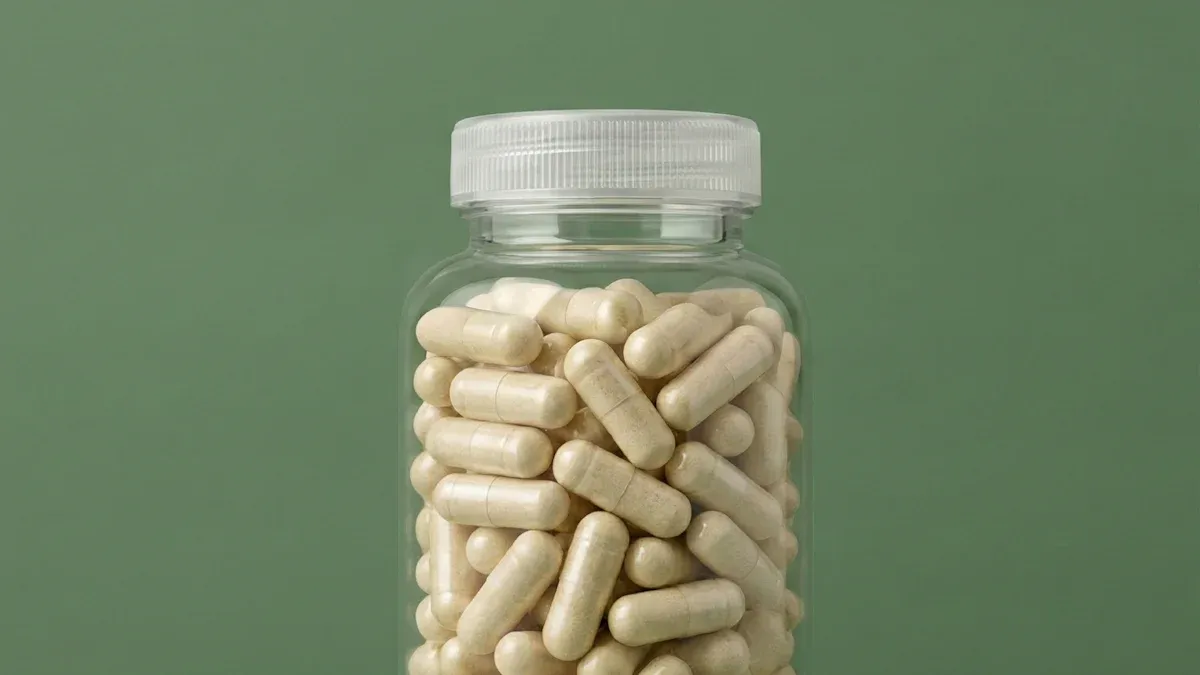
Now you need to pick a manufacturer. You want someone who makes your supplements safely and the same every time. There are many ways to make herbal supplements. You can choose capsules, gummies, powders, teas, or herbal liquids.
Look for manufacturers with GMP certification. This means they follow Good Manufacturing Practices. They should have organized systems for making products. This keeps every batch the same. Ingredient checks are important. They help you trust your product is safe and works well.
Here’s a simple checklist for picking a manufacturer:
Offers different supplement forms like capsules, gummies, powders, teas, liquids
Has GMP or other quality certifications
Checks ingredients for safety and strength
Keeps products stable and doses correct
Helps you make special blends
You want a partner who helps your brand grow. The right manufacturer will answer your questions and support your business as you get bigger.
You want your herbal supplement business to stand out. Your brand is more than a logo or a name. It tells your story and shows what you care about. Start by thinking about what makes your business special. Do you use rare herbs? Do you focus on eco-friendly practices? Let your values shine through everything you do.
You can build trust by working with herbalists, nutritionists, or naturopaths. These partnerships show customers you care about quality. Try teaming up with other wellness brands for cross-promotions. You can also join wellness centers or sponsor retreats and events. People love seeing your products at community classes or health gatherings.
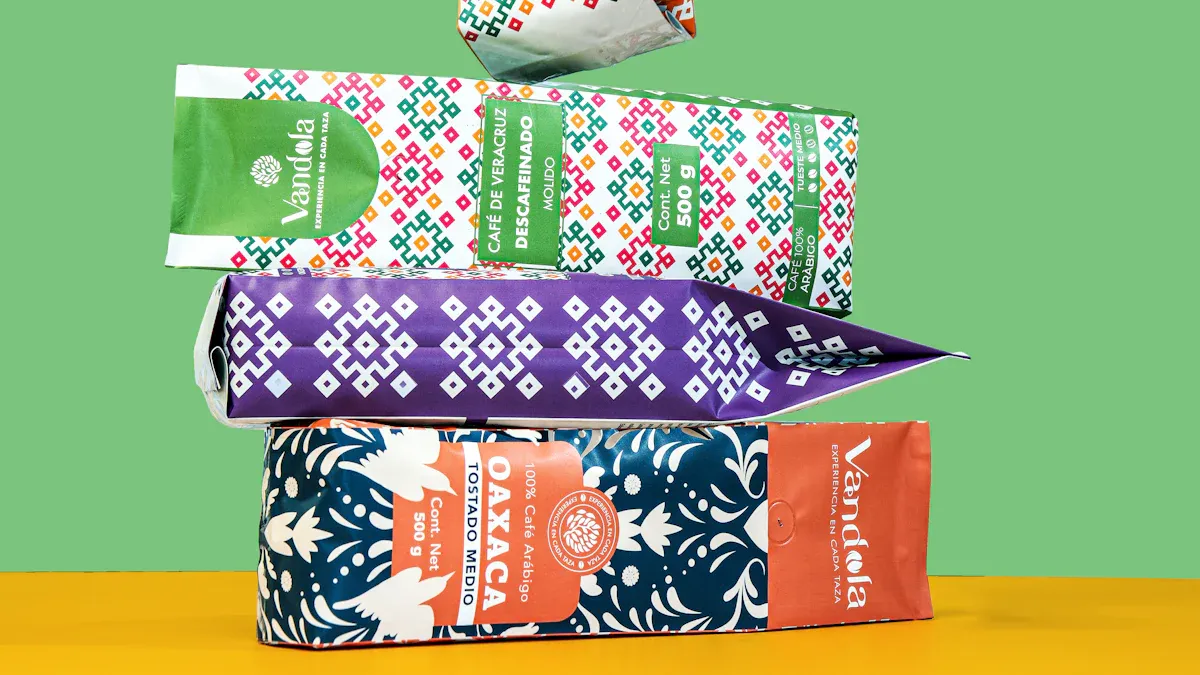
Tip: Customers notice when you use sustainable marketing. Use eco-friendly packaging, support conservation, and talk about how you source your herbs. People want to buy from brands that protect the planet.
Here are some ways to connect with your customers:
Send follow-up emails with tips on how to use your supplements.
Share short videos about herb origins or how to prepare your products.
Offer ongoing support to answer questions and build trust.
Your labels must follow strict rules. The FDA wants clear and honest information on every package. You need to include:
Statement of Identity: Show that your product is a "Dietary Supplement."
Net Quantity of Contents: List how many capsules or the net weight.
Supplement Facts Panel: Give serving size, ingredients, and daily values.
Ingredient List: Put active ingredients in the panel and others outside.
Name and Place of Business: Add your company’s name, address, and contact.
Warning Statements: Use warnings for allergens or special risks.
Structure/Function Claim Disclaimer: If you make claims, add the FDA disclaimer.
The FDA also cares about how your label looks. Use easy-to-read fonts and keep the important info clear. Don’t let fancy designs hide the facts. Each label must match the right product. Check your labels often to avoid mistakes or mix-ups.
Note: Good packaging keeps your supplements safe and builds trust. When you follow the rules, your customers feel confident choosing your brand.
You want your herbal supplement business to reach as many people as possible. Building your own online store is the best way to do this. You can use platforms like Shopify, WooCommerce, or BigCommerce. These tools help you set up a store without needing to know how to code. You can add your products, write descriptions, and upload photos. Make sure your website is easy to use. People like simple menus and clear buttons.
You should add a secure checkout. Customers want to feel safe when they buy from you. Use payment options like credit cards, PayPal, or Apple Pay. Show reviews and ratings on your product pages. This builds trust and helps people decide what to buy.
You can also use email and SMS to talk to your customers. SMS messages get opened 98% of the time. Email open rates are about 20%. If someone leaves your store without buying, you can send a message to remind them. This helps you recover about 33% of lost sales. Many herbal supplement brands see their revenue grow by 20% each month with these tools.
Tip: Offer special deals during big shopping events like Black Friday or Cyber Monday. Online sales can jump by 50-80% during these times.
You do not have to sell only on your website. You can use other sales channels to reach more customers. Try selling on Amazon, Etsy, or eBay. These sites already have lots of shoppers looking for supplements. You can also work with local health stores or gyms. Some brands use both online and offline sales. This is called an omnichannel strategy.
Here are some reasons why omnichannel works well:
Online supplement sales grow much faster than offline sales.
You can reach people who like shopping in stores and those who like shopping online.
You can make the most money during busy shopping seasons.
You can see how different channels help your business in this table:
Channel | Growth Rate | Best For |
|---|---|---|
Online Store | 14-18% | Fast growth, wide reach |
Retail Stores | 4-6% | Local trust, in-person |
Omnichannel | Highest | Year-round sales |
Try different channels and see what works best for you. The more places people can find your supplements, the more your business can grow.
You want your herbal supplement business to make money and stay competitive. Setting the right price can feel tricky, but you can do it with a few smart steps. First, know your costs. Add up everything—herbs, packaging, testing, shipping, and even the time you spend. This gives you a clear starting point.
Next, look at what other brands charge. Check their websites or stores. See if your product offers something extra, like better ingredients or eco-friendly packaging. If it does, you can charge a little more. If you are new, you might want to start with a lower price to attract customers.
Here are some tips to help you set your prices:
List all your costs, including raw materials, production, and testing.
Decide how much profit you want to make on each sale.
Research what your competitors charge for similar products.
Try dynamic pricing tools to adjust your prices if the market changes.
Always follow the rules so you do not get fined or lose money.
Tip: Review your prices every few months. The market can change fast, and you want to stay ahead.
You need to keep an eye on your profits. Most herbal supplement companies earn a profit margin between 10% and 20%. Some business models do better. For example, selling through clinics or direct sales can bring higher margins.
Here’s a table to show you what different business models can earn:
Business Model | Gross Profit Margin | Net Profit Potential |
|---|---|---|
E-commerce Seller | 40–60% | 15–30% |
MLM / Direct Selling | 50–70% | 20–35% |
Doctor/Clinic Sales | 60–80% | 30–50% |
Export Business | 40–70% | 15–30% |
Retail Distributors | 25–35% | Stable ROI |
If you want your business to last, aim for a gross margin above 60%. Try to recover your customer costs within six months. Watch your spending on marketing and shipping. Small changes can make a big difference in your profits.
Note: Track your numbers every month. This helps you spot problems early and keep your business strong.
You want your herbal supplement business to start strong. A good launch plan helps you get noticed and build trust. Start with a soft launch. Share your products with a small group of people. Ask for honest feedback. This helps you fix problems before you sell to everyone.
Next, create a marketing plan. Use both online and offline ideas. Social media works well for showing your brand. You can work with influencers who care about health. They can talk about your products and reach new customers. Email marketing is also powerful. Send out news, tips, and special offers to your list. People love getting discounts or bundles when they try something new.
You can join wellness expos or trade shows. These events let you meet people who already like herbal products. You can answer questions and give out samples. Keep an eye on your sales and listen to what buyers say. Change your plan if you see something that works better.
Tip: Keep learning with herbal education. It helps you answer questions and build trust with your audience.
You need to keep your business in front of people. Digital marketing gives you the best results. Make short videos that show how to use your supplements. Teach people about the right dose and when to take them. This builds trust and helps buyers use your products the right way. When people trust you, they come back and tell their friends.
Here is a table to show how different sales models can grow with good marketing:
Business Model | Gross Profit Margin | Net Profit Potential | ROI Scenario |
|---|---|---|---|
E-commerce | 40–60% | 15–30% | Break-even in 6–8 months with strong digital marketing |
MLM / Direct Selling | 50–70% | 20–35% | ROI in 3–6 months with a strong network |
Doctor/Clinic Sales | 60–80% | 30–50% | High ROI from trust and repeat sales |
You should invest in marketing all the time. The herbal supplement business grows when people see your brand often. Stay active online, answer questions, and share helpful tips. This keeps your business strong and helps you stand out.
You want your herbal supplement business to keep growing. One of the best ways to do this is by adding new products. You can look at what your customers need most. Many companies find success by offering supplements for stress, immunity, sleep, or gut health. These areas stay popular because people want simple ways to feel better every day.
You can also try new formats. Maybe you start with capsules, but then add gummies, teas, or powders. This gives your customers more choices. Denzour Nutrition grew fast by launching eight new herbal nutraceuticals. They focused on wellness from different angles. You can do the same by thinking about what your customers ask for most.
People care about clean-label products now. They want supplements that feel natural and safe. If you use simple ingredients and clear labels, you build trust. You can even ask your customers what they want to see next. Their answers can guide your next product launch.
Offer supplements for top health concerns like stress, sleep, and immunity.
Try new formats such as gummies, teas, or powders.
Focus on clean-label and natural ingredients.
Tip: Listen to your customers. Their feedback can help you decide what to create next.
You want your business to stand out. Staying ahead of trends helps you do that. People now look for personalized nutrition. They want products that fit their own health needs. You can offer quizzes or surveys to help them pick the right supplement.
Plant-based supplements are growing fast. Sales have jumped by 20%. You can add more plant-based options to your line. Customers also care about where their herbs come from. They like organic and ethically sourced ingredients. If you show your commitment to sustainability, you attract more buyers.
Vladimir Kochnev found success by spotting gaps in the market and creating new solutions. He used e-commerce to reach more people and adapt quickly. You can follow this example. Watch what your customers want, and be ready to change your products or marketing.
Offer personalized options.
Add more plant-based and sustainable products.
Use e-commerce to reach new customers and test ideas.
Note: Trends change fast. Stay curious and keep learning. This helps your business grow and stay unique.
You can start your herbal supplement business by taking simple steps. First, do research and make a plan. Focus on following rules, building your brand, and marketing often. Many business owners, like Nick Bare and Paul Sciortino, faced hard times but found success. They built strong groups and used smart marketing.
Stay positive and learn from their stories.
Take herbal classes to learn more.
Use these resources to help you:
Decide what you want to sell.
Keep your product choices easy.
Know your money and costs.
Learn about local rules.
Spend money on marketing.
Now is your chance to start and grow your dream business!
You can begin with $2,000 to $10,000. The amount you need depends on your products, packaging, and marketing. Start with just a few products. Grow your business as you get more sales.
No, you do not need FDA approval. You must follow FDA rules for safety and labeling. Always keep records and use safe ingredients.
You can make small batches at home. You must follow Good Manufacturing Practices (GMP). Most businesses use certified manufacturers for safety and quality.
You should get product liability and general liability insurance. These help protect you if someone says your supplement caused harm.
Look for GMP or organic certifications.
Ask for lab test results.
Read reviews from other brands.
Place small orders first to check quality.