

Views: 0 Author: Site Editor Publish Time: 2026-05-07 Origin: Site
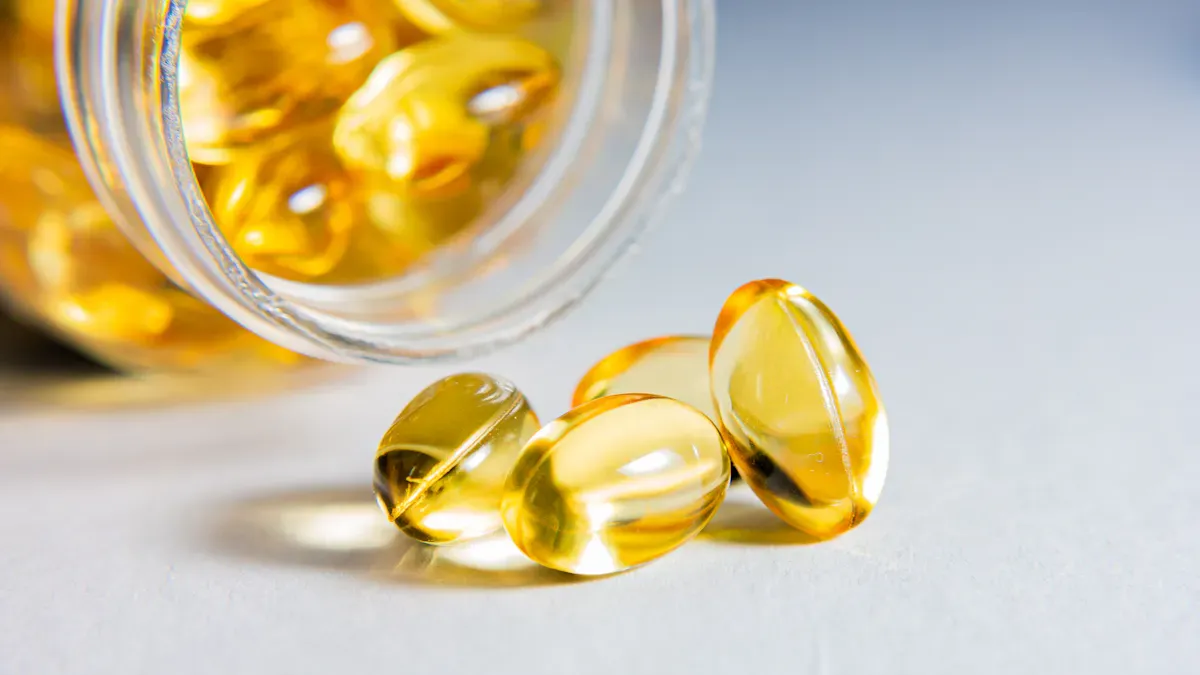
You should store fish oil softgels in a cool, dry, and dark spot. Refrigeration helps after opening or if your home feels hot. Scientific research shows that heat, light, and oxygen can break down the omega-3 fatty acids in fish oil. This can lower their strength and may cause unwanted effects. Keeping softgels away from these conditions helps preserve their quality and keeps them safe for you to use.
Keep fish oil softgels in a cool, dry, and dark spot so they stay fresh and work well. - Put softgels in the fridge after you open them, especially if it is hot, to help stop them from going bad. - Use amber or dark bottles to block light, because light can make fish oil spoil. - Look for signs that the softgels are bad, like a strong smell or cloudy color, before you use them. - Always close the bottle tight after you use it to keep out air and water.
Fish oil softgels can go bad fast if not stored right. Oxidation is the main reason this happens. Oxygen, heat, or light can touch the oil inside the softgels. Fish oil has omega-3 polyunsaturated fatty acids. These fatty acids have lots of double bonds. That makes them react easily. When oxidation starts, it makes things like lipid peroxides, aldehydes, and ketones. These things make fish oil smell and taste bad.
Tip: Keep your fish oil softgels in a cool, dry, and dark place. This slows down oxidation.
Both liquid fish oil and softgels can spoil as time passes. Air, bad storage, and how the oil is made can make spoilage happen faster. Many companies put antioxidants in fish oil softgels. Antioxidants help stop oxidation and keep the oil fresh longer.
Fish oil has lots of omega-3s that can oxidize.
Oxidation makes bad byproducts and a rotten smell.
Antioxidants in softgels help stop spoilage.
If you store fish oil wrong, you lose health benefits. Oxidation makes the oil taste bad and lowers its nutrition. The table below shows how oxidation changes fish oil:
Type of Oxidation | Effects on Nutritional Value and Safety |
|---|---|
Mild oxidation | Makes fish oil taste weird and lose some nutrition, but EPA/DHA stays safe. |
Moderate to high oxidation | Turns good fatty acids into bad byproducts, so your body uses them less. |
Heavily oxidized oils | May have 20-30% less EPA/DHA, so you get fewer health benefits. |
If you use spoiled fish oil, you may not get the omega-3 benefits you want. Sometimes, oxidized fish oil can make pro-inflammatory substances. These can hurt your health goals. That is why you must store fish oil softgels the right way and check if they are fresh before using them.
You should always store fish oil softgels in a cool, dry, and dark place. The best temperature range is between 15°C and 25°C (59°F to 77°F). If your home gets hotter than 30°C (86°F), you need to find a cooler spot or use the refrigerator. High temperatures can speed up the breakdown of omega-3s and make the oil go bad faster.
Humidity is another problem. Moisture can get inside the bottle and cause the softgels to break down. You should avoid keeping your fish oil in the kitchen or bathroom because these rooms often have high humidity. Instead, choose a bedroom closet or a cupboard away from the stove, oven, or dishwasher.
Tip: Always keep the bottle tightly closed. This helps block out air and moisture, which can spoil the oil.
If you store fish oil softgels at room temperature, make sure you keep them away from windows and direct sunlight. Sunlight can heat up the bottle and cause the oil to spoil. You should also avoid placing the bottle near heat sources like radiators or microwaves.
Heat and humidity can damage fish oil softgels.
Air and moisture can get inside if you leave the bottle open.
A cool, dry, and dark place keeps your supplements fresh.
Refrigeration helps slow down the oxidation process. When you store fish oil softgels in the fridge, you protect the omega-3s from heat and light. This keeps the oil fresh and safe to use for a longer time. You should refrigerate fish oil after opening the bottle, especially if you live in a hot climate or during summer months.
If you notice your home feels warm or humid, move your fish oil softgels to the refrigerator. Cold temperatures help stop the oil from breaking down. This means you get the full health benefits from your supplement.
Note: Refrigeration is not always required if your home stays cool and dry. But it is a smart choice if you want to store fish oil for several months.
The type of packaging makes a big difference in how well you can store fish oil. Amber-colored or opaque bottles block out harmful UV rays. These bottles help prevent light from reaching the oil, which slows down oxidation and keeps the oil stable. Clear bottles let in more light and can make the oil spoil faster.
Packaging Type | Light Protection | Impact on Fish Oil Quality |
|---|---|---|
Clear bottles | Low | Faster spoilage |
Amber/opaque bottles | High | Longer freshness |
Induction-sealed caps | Blocks moisture | Prevents softgel breakdown |
You should always check that the bottle has a tight-fitting cap. Induction-sealed caps help keep out moisture and air. This protects the softgels from breaking down. If you buy fish oil in bulk, choose smaller bottles so you can finish them within 30 to 60 days. This keeps your supplements fresh.
Tip: Store fish oil softgels in their original packaging. Do not transfer them to clear containers or pill organizers that let in light.
By following these steps, you can store fish oil softgels the right way. You will keep them fresh, safe, and effective for your health.
You might wonder if your fish oil softgels are still good after you leave them out. Fish oil softgels usually last 1 to 2 years past their manufacturing date. If you have an unopened bottle, it can stay stable for up to 18 months. Once you open the bottle, the softgels may last between 3 to 8 months, especially if you keep them in the refrigerator.
If you leave your softgels at room temperature, the risk of spoilage goes up. Light and air can speed up the breakdown of the oil inside. You should always check if the bottle was left in a hot or sunny spot. If the room stays cool and dark, your softgels are likely safe for a short time. If you leave them out for a few hours or overnight in a cool place, they usually stay fine. If you leave them out for days in a warm or bright area, the oil may start to spoil.
Tip: Always check the smell and color of your softgels if you think they were left out too long.
If you find your fish oil softgels outside their usual storage spot, you can take a few steps:
Check the bottle: Look for any changes in color or leaks.
Smell the softgels: Fresh fish oil should not smell very strong. A bad or sour smell means the oil may have spoiled.
Feel the softgels: If they feel sticky or soft, they may have broken down.
Return to proper storage: If everything looks and smells normal, put the bottle back in a cool, dry, and dark place. You can also move it to the refrigerator for extra safety.
If you notice any signs of spoilage, do not take the softgels. Throw them away to protect your health. You can keep your supplements fresh by always closing the bottle tightly and storing it in the right place.
Keeping an eye on your fish oil softgels helps you get the most health benefits and avoid waste.
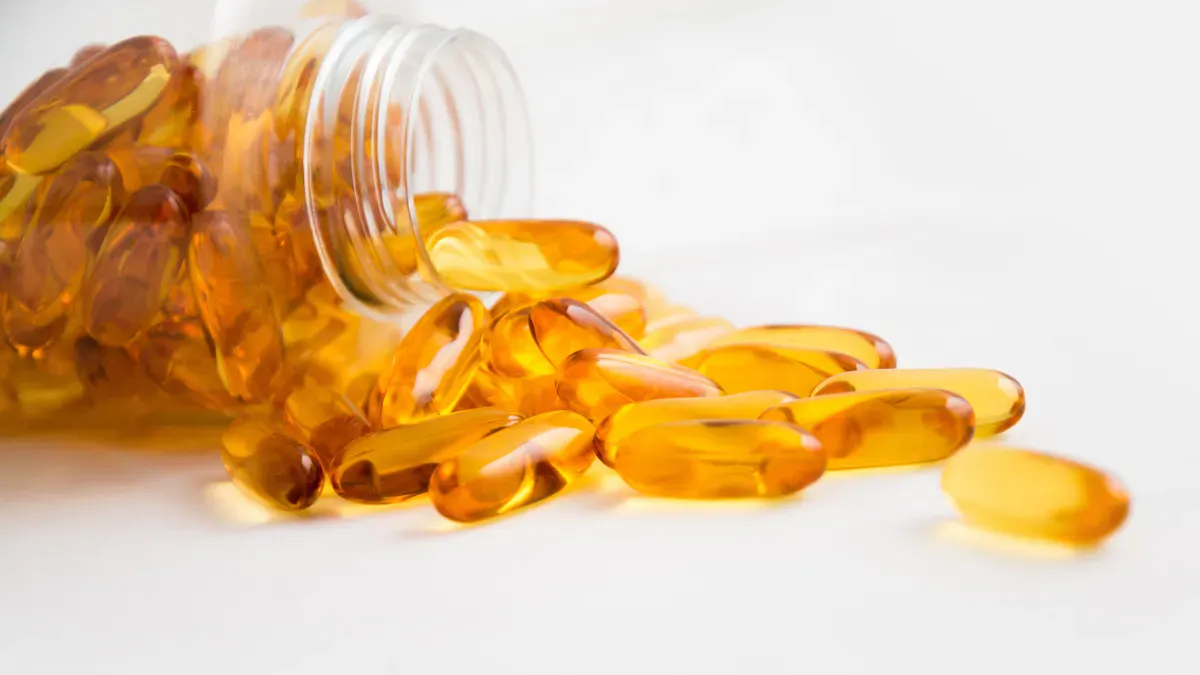
You can spot spoiled fish oil softgels by using your senses. Fresh softgels look clear and golden. They do not have a strong smell or taste. When fish oil goes bad, you will notice changes right away. Here are some common signs:
A strange or strong "fish gone bad" smell.
Murky or cloudy color instead of a light, golden look.
Soft or sticky capsules that do not bounce back when pressed.
An unpleasant aftertaste or excessive fishy burps.
If you notice any of these signs, your fish oil softgels may have spoiled. Rancid fish oil forms when omega-3 fatty acids break down. This process creates harmful byproducts like lipid peroxides, aldehydes, and ketones. These substances can harm your health over time. You might not get sick right away, but eating spoiled fish oil can raise bad cholesterol, cause inflammation, and even damage organs. Always check your softgels before taking them.
Tip: Trust your nose and eyes. If something seems off, it is safer to throw the softgels away.
You should dispose of spoiled fish oil softgels with care. Do not flush them down the toilet or sink unless the label says it is safe. Flushing can pollute water and harm the environment. Instead, follow these steps:
Check the supplement label for any disposal instructions.
Place spoiled softgels in a sealed bag or container before throwing them in the trash.
Take large amounts to a local pharmacy or hazardous waste facility if available.
Proper disposal keeps your home safe and protects the environment. Always read the label and follow local guidelines for supplement disposal.
Note: Safe disposal helps prevent pollution and keeps unwanted chemicals out of water supplies.
You can keep your fish oil softgels fresh with good habits. Every time you open the bottle, air gets inside. Oxygen can mix with the oil and make it spoil faster. If you open the bottle a lot, more oxygen gets in and speeds up oxidation. This makes free radicals and other bad things that lower the quality and safety of your supplements.
Here is a table to help you remember the best ways to handle your fish oil softgels:
Handling Practice | Description |
|---|---|
Keep tightly capped | Keeps air out and slows down oxidation. |
Store in a cool, dark place | Protects from heat and light, which can damage the oil. |
Refrigerate after opening | Extends freshness if the label allows. |
Buy products with antioxidants | Antioxidants help prevent rancidity. |
Check for third-party testing | Ensures you get a safe, high-quality supplement. |
Rotate supplies | Use older bottles first to avoid long-term storage. |
Tip: Always close the bottle tight after you use it. Only take out the softgels you need for the day.
Always check the expiration date before using your fish oil softgels. The date on the bottle shows how long the product should stay strong. Unopened bottles usually last about six months. Once you open the bottle, the softgels can lose strength faster because they touch air and moisture.
The expiration date tells you how long the softgels stay strong.
Opened bottles may lose their power faster than unopened ones.
Sunlight and heat can make fish oil spoil before the date on the bottle.
Antioxidants in the oil can help slow down spoilage.
You can keep fish oil in a cool, dark place or in the fridge to help it last longer. Always use the oldest bottle first. This is called rotation and helps you not keep softgels too long. If you see any changes in smell, color, or texture, throw the softgels away.
Note: Good storage and using the oldest bottles first help you get the most health benefits from your supplements.
You can keep your fish oil softgels fresh and safe by following a few simple steps. Store them in a cool, dry place, use dark bottles, and close the cap tightly. Refrigerate after opening to slow down oxidation. Avoid common mistakes like leaving the seal loose or mixing old and new batches.
Check your storage habits today. Small changes help you get the full health benefits from your supplements. These tips make sure your fish oil stays effective and safe for you.
You can freeze fish oil softgels. Freezing helps slow down oxidation and keeps them fresh longer. Take out only what you need for a week. Let them warm to room temperature before use.
Yes, spoiled fish oil softgels smell strong and unpleasant. You may notice a sour or rotten fish odor. Always check the smell before taking them.
It is not safe to store fish oil softgels in a pill organizer. Light and air can reach the softgels and cause them to spoil faster. Keep them in their original bottle.
You may not get the health benefits you expect. Expired fish oil can taste bad and may upset your stomach. Always check the expiration date before use.


