Views: 0 Author: Site Editor Publish Time: 2026-09-07 Origin: Site
Initiating a private label supplement line requires moving past conceptual ideas into strict manufacturing specifications. Many emerging brand owners start by sharing vague concepts with potential manufacturers. They quickly realize this approach completely fails. Vague requests consistently lead to inaccurate quotes, extended lead times, and mismatched manufacturing partners. You need concrete parameters. Compiling a standardized data set prior to outreach changes everything. It ensures accurate pricing models from the start. It guarantees regulatory compliance across different markets. It also creates a highly streamlined production launch. In this comprehensive guide, you will learn exactly what data manufacturers require from you. We will cover how to structure your foundational documents. We will also explore formulation rules, packaging mandates, and quality assurance frameworks. Finally, you will understand how to avoid the common pitfalls ruining most new product launches. By organizing your specifications early, you position your brand for a rapid, highly successful market entry.
Contract manufacturers (CMOs) constantly evaluate incoming leads based on readiness. They receive countless generic inquiries daily from people simply exploring ideas. A formalized supplement product brief proves you are a viable, ready-to-buy partner rather than an exploratory shopper. It acts as your foundational blueprint. Without it, reputable factories will likely place your inquiry at the bottom of their priority list. A structured brief demonstrates business maturity.
You must clearly define your target demographic and formulation intent. Who exactly is the product for? What specific problem does it solve for them? Outline the primary mechanism of action. For example, do not just ask for a pre-workout. Specify if you need a "stimulant-free pre-workout for evening athletes focusing on vasodilation." This level of granular detail guides the R&D team accurately. It prevents them from guessing your intentions. It also aligns the chemical profile with consumer expectations.
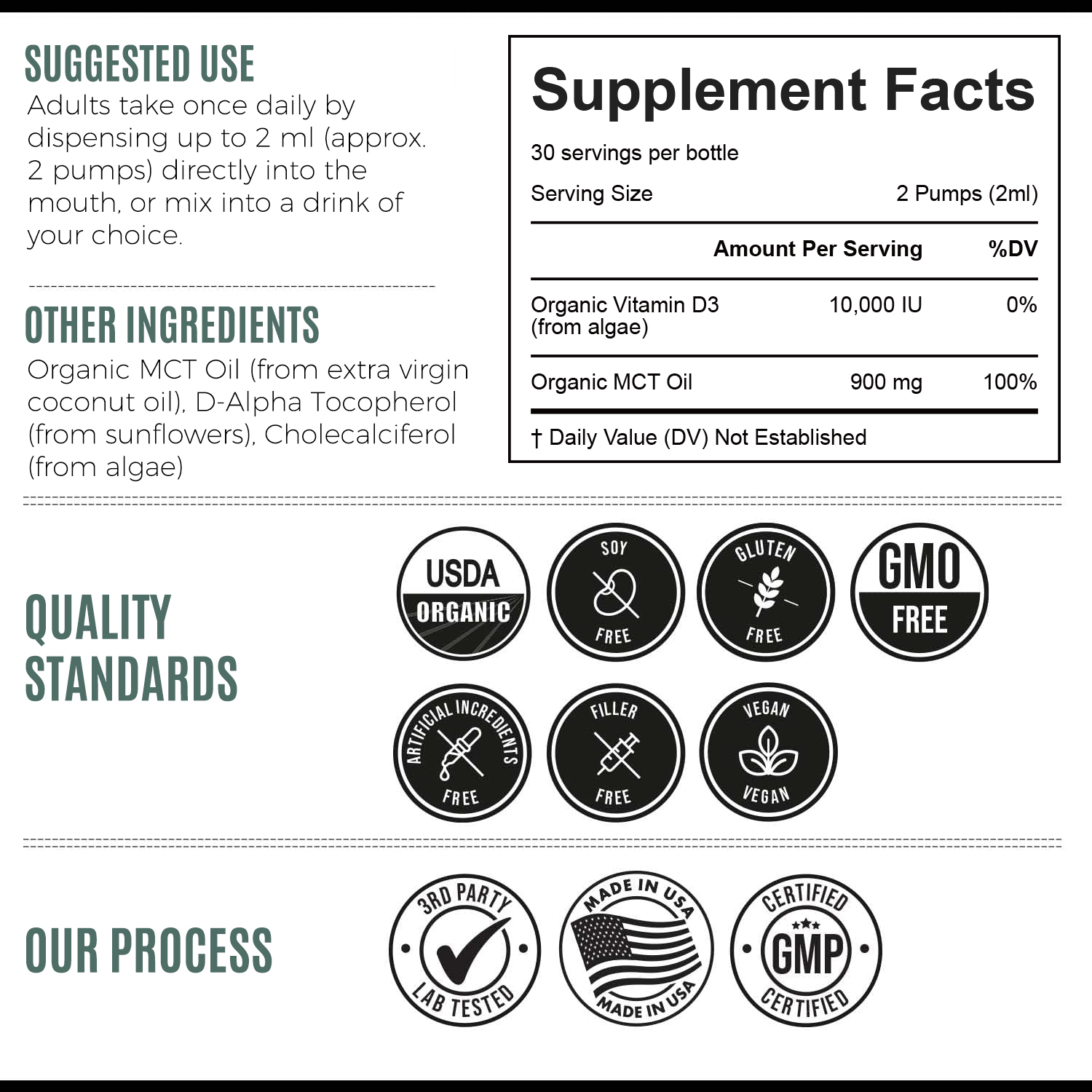
Certifications and dietary restrictions require immediate attention. Mandate your non-negotiables during the very first conversation. Do you absolutely need USDA Organic, Non-GMO, Vegan, Kosher, or NSF Certified for Sport credentials? These credentials heavily influence ingredient sourcing channels. They also dictate which specific facility can legally manufacture your goods. For instance, creating a certified organic product requires a facility holding its own organic handler certification.
Finally, establish your Target COGS (Cost of Goods Sold). Determine your maximum acceptable unit cost based on your projected retail price. You should aim for healthy gross margins to sustain marketing efforts. Communicating a strict target cost ensures the manufacturer's capabilities align closely with your financial reality. Setting a strict COGS early prevents wasted weeks spent developing formulations you simply cannot afford to produce at scale.
You must clarify whether you want a stock formulation or a modified product. Selecting a true white-label product means using an existing, off-the-shelf recipe. This route offers rapid speed to market and lower costs. However, you might have specific custom formula requirements. These include altering a flavor system, swapping an artificial sweetener for stevia, or adding a trending hero ingredient. Even minor tweaks transform a standard stock product into a custom manufacturing job. This immediately shifts your MOQ requirements and pricing tiers.
Next, specify your delivery format. The industry refers to this as the form factor. What is the exact physical vehicle for your active ingredients? Common options include two-piece capsules, compressed tablets, chewable gummies, or loose powders. Each format carries unique manufacturing challenges. If choosing capsules, specify animal-based gelatin or vegetarian HPMC. If choosing gummies, clarify if you prefer pectin or gelatin bases. Pectin handles higher heat during shipping but requires different manufacturing equipment.
Detailing active versus inactive ingredients is crucial for a successful launch. Excipients matter just as much as active compounds. Detail your required active dosages per serving. Explicitly list any prohibited flow agents, binders, or fillers. For instance, avoid magnesium stearate or silicon dioxide if you want a premium "clean label" positioning. Clean labels attract highly educated buyers. However, removing standard flow agents often requires specialized manufacturing equipment to prevent the powder from clogging the machinery.
Lastly, clarify your sourcing transparency. Will you procure and provide specific raw materials yourself? This model is called toll manufacturing. Or, will you rely entirely on the manufacturer’s established supply chain? This is known as turnkey manufacturing. Most brands choose turnkey solutions because it pushes the burden of material quality control onto the factory. Toll manufacturing makes sense only if you have exclusive access to a rare, proprietary ingredient.
Format and materials define your product's shelf appeal and durability. Define your exact packaging requirements right away to avoid supply chain shocks. Options include PET plastic bottles, HDPE bottles, glass jars, stand-up gusseted pouches, or individual stick packs. Include your desired neck sizes and specific lid types. For example, explicitly state if you need child-resistant caps or tamper-evident induction seals. Blister cards offer excellent protection for fragile capsules but significantly increase your packaging costs.
Labeling and artwork specifications require careful regulatory planning. Acknowledge the required timeline for FDA-compliant label reviews. This oversight falls under 21 CFR Part 111 rules. Dietary supplement panels require strict formatting. Note whether you will supply print-ready artwork yourself. Alternatively, state if you require the manufacturer's in-house graphic design services. Ensure your designers understand bleed lines, barcode placement, and mandatory regulatory warning statements.
Secondary packaging serves as another critical detail you cannot ignore. Specify if the project requires individual folding cartons for retail display. You might also need custom printed inserts for dosage instructions. Define specific master shipper configurations. Retail distribution usually requires different master carton sizes than direct-to-consumer (DTC) models. E-commerce brands typically prioritize smaller, drop-test certified shippers to minimize shipping damages.
Consider sustainability demands early in the planning phase. Eco-conscious brands might opt for PCR (post-consumer recycled) plastics. Compostable pouches are also increasingly popular. Outline these specific material requests upfront. Sustainable materials drastically alter standard lead times. They also impact your unit economics significantly, often adding a premium to each unit produced. Secure material lead times before finalizing your launch date.
Regulatory baselines form the bedrock of your brand reputation. Ensure the manufacturer completely understands your strict expectations for compliance. You absolutely require cGMP-certified facility production. FDA registration is a mandatory minimum baseline, not a competitive advantage. Do not compromise on facility standards to save a few cents per unit. A single regulatory recall can permanently destroy a new brand.
Testing protocols determine product safety and efficacy. Specify your required Certificate of Analysis (COA) parameters before production begins. Will you require third-party independent testing? This testing usually covers heavy metals, microbial limits, and identity verification. Some brands rely entirely on the manufacturer's in-house laboratory. However, independent third-party testing builds much stronger consumer trust. It also provides a vital layer of legal protection.
| Testing Parameter | Core Purpose | Typical Responsibility Location |
|---|---|---|
| Identity Testing (FTIR/HPLC) | Verifies the raw material matches the label exactly | In-House Laboratory |
| Microbial Limits | Detects dangerous E. coli, Salmonella, yeast, and mold | Often 3rd Party Laboratory |
| Heavy Metals Screen | Tests for unsafe levels of lead, arsenic, cadmium, mercury | Highly Recommended 3rd Party |
| Potency Verification | Confirms the active ingredient dosage matches claims | Shared Responsibility |
Claims substantiation protects you from severe regulatory action. Structure the specific information needed to back up structure/function claims on your packaging. Your label must reflect scientific reality. Avoid high-risk disease claims at all costs. Statements like "cures anxiety" or "treats joint pain" immediately trigger strict FDA warning letters. Stick to approved phrasing, such as "supports healthy joint function" or "promotes relaxation."
Volume and scalability dictate your priority level within a busy factory. Clearly state your initial launch volume, known as your first Purchase Order (PO) size. You must also provide a realistic 12-month rolling forecast. This data dictates whether a manufacturer sees genuine long-term ROI in your private label supplement project. High, realistic forecasts unlock much better pricing tiers. They also ensure the factory reserves adequate machine time for your reorders.
Lead time expectations require highly realistic mapping. Map out the timeframe starting from your initial financial deposit. Account for R&D formulation iterations and pilot batches. Include the full production run and final freight delivery. Expect delays during material sourcing, especially for exotic botanicals. A standard launch often takes 12 to 16 weeks, so plan your marketing campaigns accordingly to avoid selling out of stock prematurely.
The standard framework follows a highly predictable sequence of events. Detail this sequence to keep your internal team and the manufacturer perfectly aligned. Proper private label onboarding prevents massive confusion downstream.
Supply chain volatility represents a massive implementation risk. You might decide to rely heavily on proprietary, branded ingredients. Examples include specialized ashwagandha extracts or highly patented collagen peptides. Never assume endless availability for these items. Check the manufacturer’s access early in the evaluation stage. Verify their current lead times for these specific branded items. Global shortages frequently delay production by months.
Misaligned MOQs kill numerous projects before they even start. Requesting complex custom formulations is inherently expensive. You might only have the startup budget for low-tier private label MOQs. For example, wanting a highly custom, pectin-based gummy with a total budget of 1,000 bottles is completely unrealistic. Custom gummies often require minimum runs of 100,000 units. Align your physical expectations with standard industry financial realities.
| Project Type | Average MOQ | Speed to Market | Customization Level |
|---|---|---|---|
| Stock White Label | 500 - 1,000 units | 4 - 6 weeks | Label only. No formula changes. |
| Slight Modification | 2,500 - 5,000 units | 8 - 10 weeks | Flavor changes or minor ingredient swaps. |
| Fully Custom Formula | 5,000 - 10,000+ units | 12 - 16+ weeks | Complete control over all ingredients. |
Flavoring failures consistently consume extensive R&D time. Underestimating this scientific process is a common mistake among new brand owners. Masking bad flavors in loose powder and gummy formats takes weeks of trial and error. This remains especially true when utilizing bitter botanical extracts. High-dose minerals also taste awful initially. Plan for multiple sampling rounds, and do not rush the flavor approval process.
Launching a compliant, highly profitable supplement line requires shifting from abstract ideas to concrete data. You must define strict parameters before contacting factories. These include your exact formula requests, preferred packaging types, realistic production volumes, and stringent quality testing standards. Skipping these organizational steps almost guarantees miscommunication and launch failures. By controlling the data, you control the outcome.
To move forward successfully, take these actionable next steps. First, download a standardized brief template. Fill in your foundational requirements carefully, leaving no blank spaces. Establish your maximum manufacturing budget and target retail price. Next, begin shortlisting cGMP-certified manufacturers for initial consultations. Finally, prepare a standard NDA before sharing any custom formulation ideas to protect your competitive advantage.
A: A realistic Minimum Order Quantity depends heavily on your exact formulation. For standard stock private label products, MOQs typically range between 500 and 1,000 units. If you require custom formulations, expect MOQs to start at 5,000 units or more. Specialized formats like custom gummies often demand even higher minimums to justify the complex production runs.
A: Intellectual property ownership varies significantly by contract. Generally, standard stock formulas belong entirely to the manufacturer. You cannot take that exact recipe to another facility. However, custom formulas can be owned by your brand. You must negotiate this upfront and usually pay an R&D fee to secure exclusive rights to the Master Batch Record.
A: Timelines fluctuate based on product complexity. A standard stock private label project usually takes 4 to 6 weeks from deposit to final delivery. Conversely, custom formulations require extensive R&D. When combined with new packaging procurement and stability testing, a custom project typically takes 12 to 16 weeks or longer before the product ships.
A: Liability is fundamentally shared, but the brand owner carries the heaviest regulatory burden. Ultimately, the company whose name appears on the label holds primary responsibility for market compliance. While reputable manufacturers guide you on cGMP rules, you must secure independent legal or regulatory review to ensure all claims meet strict FDA guidelines.